

Description
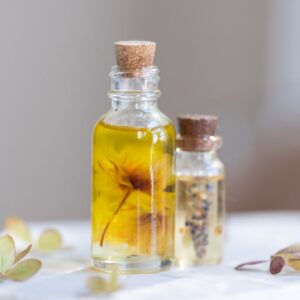
Grapeseed oil is a popular carrier oil derived from the seeds of grapes, specifically those used in winemaking. It is obtained through the cold-pressing process, which extracts the oil from the small seeds. Grapeseed oil is known for its light texture, mild aroma, and a range of potential benefits for skincare, hair care, and culinary use. It’s a commonly used carrier oil for diluting and blending essential oils.
Grapeseed Oil as a Carrier Oil for Essential Oils:
- Lightweight Texture: Grapeseed oil has a light, non-greasy texture that makes it easily absorbed by the skin. It’s suitable for all skin types, including oily and acne-prone skin.
- Moisturizing: Despite its light texture, grapeseed oil is a good source of essential fatty acids, including linoleic acid, which helps maintain the skin’s moisture barrier and prevent dryness.
- Antioxidant Properties: Grapeseed oil contains antioxidants, such as vitamin E and polyphenols, which can help protect the skin from free radicals and environmental stressors.
- Skin Tightening: The astringent properties of grapeseed oil can make it beneficial for toning and tightening the skin, potentially reducing the appearance of pores.
- Anti-Inflammatory: Grapeseed oil’s anti-inflammatory properties make it useful for addressing minor skin irritations, redness, and sensitivities.
- Hair Care: Grapeseed oil can be applied to the hair and scalp to help condition and moisturize. It’s particularly useful for individuals with fine or thin hair due to its lightweight nature.
- Massage: Grapeseed oil’s smooth texture and mild aroma make it a suitable carrier oil for massages, allowing essential oils to be blended effectively and applied to the skin during massage therapy.
- Culinary Uses: Grapeseed oil is also used in cooking due to its high smoke point and neutral flavor. While this isn’t directly related to its use as a carrier oil for essential oils, it’s a versatile oil with multiple applications.
When using grapeseed oil as a carrier for essential oils, follow proper dilution guidelines to prevent skin irritation. Essential oils should be diluted at recommended ratios (usually 1-3%) based on the specific essential oil and its intended use.
Look for high-quality, cold-pressed, and unrefined grapeseed oil to ensure you’re using a pure and beneficial product. As with any skincare product, perform a patch test before using the oil blend on a larger area of skin, especially if you have allergies or sensitivities. If you’re unsure about using new products, consult a healthcare professional or aromatherapist.



Reviews
There are no reviews yet.