
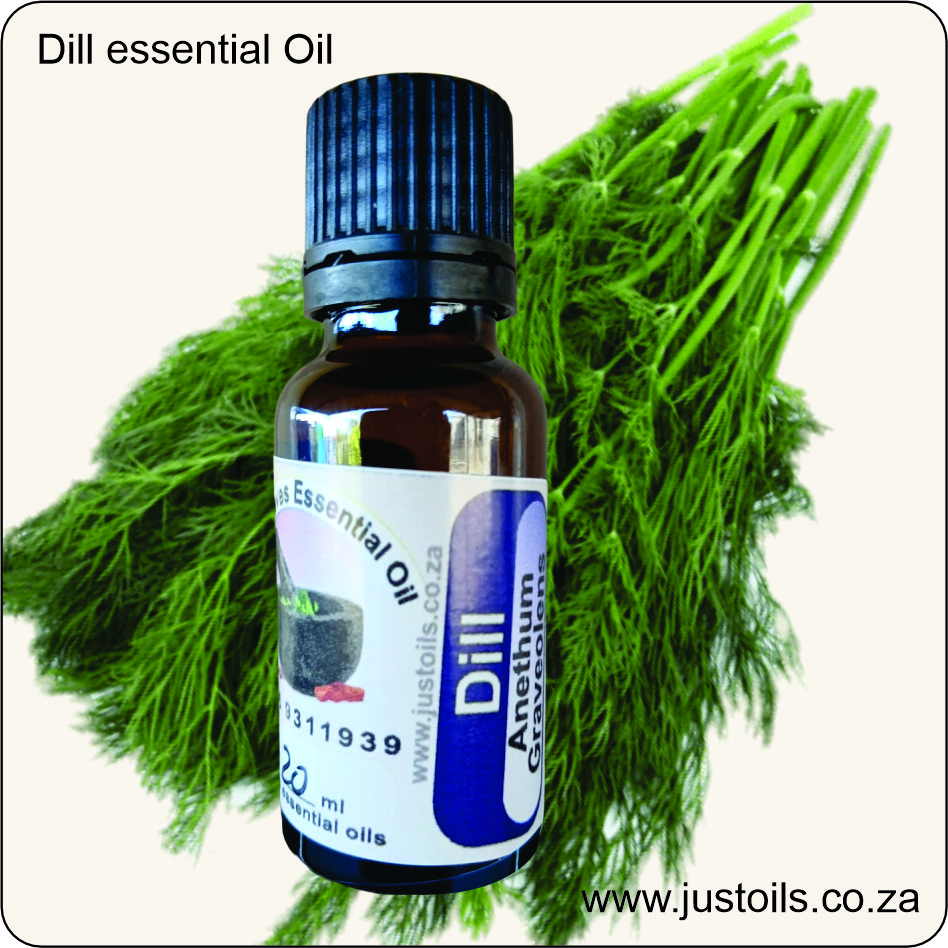
Description
Dill essential oil, derived from Anethum graveolens, offers a range of potential benefits, particularly in addressing digestive issues. While it is generally considered safe for most individuals, there are specific precautions and considerations to keep in mind when using this oil. Here’s some information on its common uses and associated precautions:
Common Uses:
- Digestive Health: Dill essential oil is well-known for its ability to support digestive health. It may help alleviate symptoms of indigestion, flatulence, gastrointestinal spasms, and irritable bowel syndrome (IBS). Diluted dill oil can be gently massaged onto the abdomen to ease digestive discomfort.
- Colic: Dill oil is often used as a natural remedy for colic in infants and young children. It can be diluted and applied topically to the baby’s abdomen or diffused in the room.
- Menstrual Pain: Some women find relief from menstrual cramps by using diluted dill essential oil in a massage blend applied to the lower abdomen.
- Detoxification: Dill oil is believed to support detoxification processes in the body, aiding in the elimination of waste and toxins.
- Headaches: Inhaling the aroma of dill oil, often through steam inhalation or diffusion, may help alleviate headaches and tension.
Precautions:
- Pregnancy and Lactation: Dill essential oil is generally advised to be avoided during pregnancy and lactation due to its potential effects on uterine muscles. If you are pregnant, nursing, or planning to become pregnant, it’s best to consult with a healthcare provider before using dill oil.
- Allergic Reactions: While dill oil is considered safe for most individuals, it can, in rare cases, lead to allergic reactions. These reactions may include vomiting, diarrhea, oral pruritus (itching of the mouth), urticaria (hives), tongue swelling, and throat swelling. If you have known allergies to substances like carrots or other related allergens, exercise caution when using dill oil.
- Skin Sensitivity: As with any essential oil, dill oil should be properly diluted with a carrier oil before applying it to the skin. Conduct a patch test on a small area of skin to check for any sensitivity or adverse reactions.
- Children: Dill oil is generally considered safe for children aged 2 and older when used in appropriate dilutions. However, ensure that you follow proper dilution guidelines and consult with a healthcare provider or aromatherapist if you have concerns about using it on children.
- Quality and Purity: Ensure that you are using a high-quality and pure dill essential oil from a reputable source to ensure safety and effectiveness.
Dill essential oil can be a valuable addition to your collection, particularly for addressing digestive discomfort and related issues. By using it cautiously and responsibly, you can enjoy its potential benefits while minimizing any associated risks.


Reviews
There are no reviews yet.